


Doing laundry is one of those chores where a small delay can quickly become a practical problem. If the machines are in a shared laundry room, the hardest part is not always washing clothes; it can be finding a payment method, carrying coins, or discovering that you are not ready to start a cycle. Speed Queen takes a focused approach to that situation by putting payment for compatible Speed Queen washers and dryers on a phone. I found it most useful as a simple utility rather than as a full laundry-management companion.
The app is a free Lifestyle app from Alliance Laundry Systems, the company behind the Speed Queen brand. Its purpose is narrow, and that is actually part of its appeal: instead of trying to become a general household organizer, it concentrates on helping you pay for a laundry cycle from your mobile device. That makes it especially relevant to people who regularly use shared machines and want to leave cash or loose change out of the routine.
After spending time with it, my overall view is positive but specific. Speed Queen is worthwhile when your laundry room supports its payment system and you want a quicker way to begin a cycle. It is not the right choice for someone expecting remote machine control, detailed clothing-care advice, or a universal payment tool for every washer and dryer. The value depends heavily on the machines around you.
How the app feels in everyday use
A focused tool for shared laundry rooms
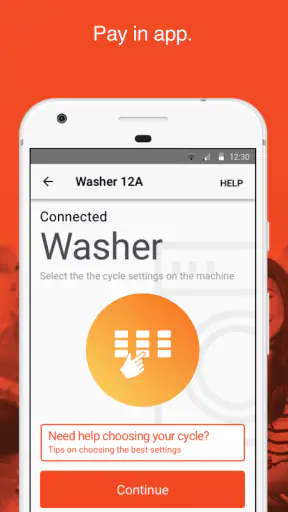
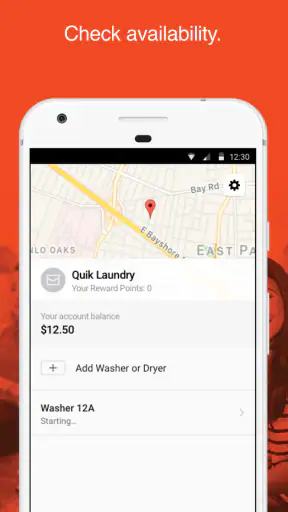
The first thing I noticed is how little the app tries to do. Its central job is paying for a Speed Queen washer or dryer with a phone. That focus keeps the concept easy to understand: when laundry is ready, I can use the app as part of the payment step instead of treating coins as the default.
That is a meaningful improvement for a few common situations. Students moving between a dorm room and a laundry area, renters using machines in an apartment building, and families who share a communal laundry room can all benefit. It is also handy when I have already carried a basket downstairs and discover that my pockets contain neither enough change nor the right payment method.
The app makes more sense as part of a routine than as something I would open every day. I would keep it available on my phone, check that I am ready to pay before loading clothes, and then use it when the machine is waiting. That workflow avoids a frustrating interruption after clothes are already inside.
What it does better than coins
Coins are familiar, but they are inconvenient in ways people tend to notice only when a load is ready. They take up space, are easy to misplace, and often require a separate trip to find change. Paying by phone can reduce those small points of friction. I also prefer not having to estimate whether I brought enough coins for both the washer and the dryer.
Compared with relying on a laundry-room payment kiosk, a phone-based option can feel more personal and immediate. I do not need to stand at a shared terminal longer than necessary, and I can keep the payment process connected to the device I already carry. That said, the app does not magically solve every laundry-room problem. If the machines are not compatible, the phone cannot replace the accepted payment method.
This is the first important trade-off: convenience comes from compatibility, not from the app alone. Before depending on it for a busy laundry day, I would look at the machine labels or ask the building manager whether Speed Queen mobile payment is supported. That quick check matters more than any feature discussion.
A realistic laundry-day scenario
Imagine a renter who works late and has only a short window to wash clothes before the evening gets busy. They sort a load, take it to the shared laundry room, and find that the coin machine is inconvenient or that they forgot to get change. With the app already installed, the payment step can fit into the same phone-based routine used for other daily tasks. The benefit is not dramatic technology; it is avoiding one unnecessary obstacle when time is limited.
There is a second useful scenario for households. If several people use the same laundry area, one person can handle payment from their own phone rather than maintaining a jar of coins or asking who last refilled it. The app will not organize the family’s laundry schedule, but it can make the payment responsibility less dependent on physical cash being available.
I would still prepare before starting the cycle. I would check the machine number, confirm that the correct type of machine is selected, and make sure my phone has enough battery. A dead phone is a more modern version of forgetting coins, and the app cannot help once the device is unavailable.
What has changed and what the current version means
The present release in context
The current version is 4.0.2, and the app has been available since January 8, 2018. That history suggests an established utility rather than a newly launched experiment. It has reached over one million installs, with an average rating of 4.4 from around 8,500 ratings and about 2,500 written reviews. Those figures do not guarantee that it will work in every laundry room, but they do indicate that the app has a substantial user base and has remained relevant over time.
Because this is a payment-focused app, I judge its evolution differently from a social app or a game. I do not need constant visual changes. I care more about whether the basic flow remains understandable, whether machine recognition is dependable, and whether payment does not become a confusing extra step. Version 4.0.2 is therefore best viewed as the current point in an ongoing product rather than as a reason to expect a completely different experience.
The developer is Alliance Laundry Systems, which gives the app a direct connection to the Speed Queen laundry ecosystem. That connection is useful because the app has a specific hardware context. It is not trying to be a universal wallet for unrelated brands, and that specialization can make the experience clearer for people who already encounter Speed Queen machines.
How the app’s evolution affects existing users
For someone who has used an earlier version, the most important question is whether the app still serves the same straightforward purpose without adding unnecessary complexity. The current release keeps the product identity clear: it is a payment companion for Speed Queen washers and dryers. Existing users who already understand their laundry room’s setup should find the app easier to evaluate than a broader platform with many unrelated controls.
Long-term users should also think about habit rather than novelty. If the older routine already works well with coins or another accepted method, updating does not automatically create a reason to change. The strongest case for continuing with the app is repeated convenience: fewer coins to carry, a familiar phone-based payment step, and less dependence on a shared cash arrangement.
New users should approach it from the opposite direction. Instead of installing it first and hoping the machines cooperate, I would verify compatibility first, then install it before the next laundry trip. That small change in order prevents the most common disappointment: having the app ready but no supported machine available.
What the rating and audience suggest
The app is rated for Everyone, which fits its practical purpose. It is not presented as a specialized professional tool, and I found the basic idea accessible enough for ordinary household use. Its free price also lowers the barrier to testing it, although the usefulness still depends on the laundry equipment and payment setup where you live.
The rating of 4.4 is encouraging, but I would not treat it as a substitute for checking your own building. A high average can reflect many successful users while still leaving room for compatibility issues, confusing machine identification, or occasional payment friction in particular locations. For this app, local circumstances matter more than a store score alone.
Where it still falls short
The biggest limitation is its narrow ecosystem. If your building uses another brand, a proprietary building card, a coin-only machine, or a payment method managed by a landlord, this app may offer little practical value. A general mobile wallet cannot necessarily replace a laundry-specific system either, but it may be more useful for other everyday payments. Choosing Speed Queen makes sense only when the machines and the app are designed to work together.
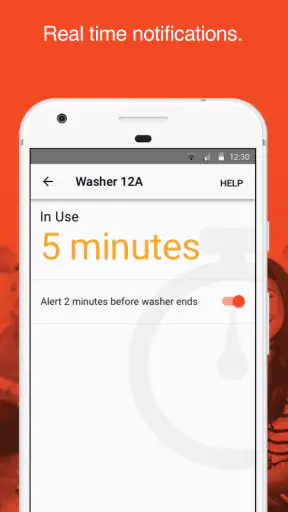
I also would not install it expecting remote operation. The central benefit is payment from the phone, not a promise that I can start, pause, monitor, or troubleshoot a cycle from another room. That distinction matters for anyone comparing it with connected-home appliances. The app belongs to the payment side of the laundry experience, not necessarily the full smart-appliance category.
Another gap is that payment convenience does not remove the need to manage the load itself. I still have to choose the right machine, add detergent, select an appropriate cycle on the appliance, and return when the clothes are finished. The app can simplify one stage, but it does not turn a shared laundry room into an automated service.
There is also a practical dependency on the phone. I would avoid beginning a cycle with a nearly empty battery, unreliable connectivity, or a phone that is likely to be left elsewhere. I am not treating those as defects unique to Speed Queen; they are the normal costs of replacing physical payment with mobile payment. Still, they are important when deciding whether to keep coins as a backup.
Three habits that make the app more useful
- Check compatibility before loading clothes. Look for the Speed Queen payment indication on the machine or confirm the setup with the property manager. This prevents discovering the limitation after the washer is full.
- Use the app as part of a pre-laundry checklist. Before leaving home, I would check the phone battery, bring detergent, and open the app if the laundry room is busy. Preparing the payment step early reduces the chance of holding up a machine.
- Keep a fallback for unusual days. A phone can be misplaced, run out of power, or fail to connect at the wrong moment. If laundry is urgent, I would not discard every alternative payment method immediately.
These habits reveal an important trade-off. The app can make regular laundry smoother, but it rewards people who build it into a dependable routine. It is less valuable as an emergency solution installed at the exact moment a load needs to start.
Who should use it, and who should skip it
I would recommend Speed Queen to renters, students, and households that repeatedly use compatible Speed Queen washers and dryers. It is also a sensible choice for anyone who dislikes carrying change and prefers handling routine payments from a phone. Since it is free and rated for Everyone, trying it is relatively easy when the local machines support it.
I would skip it if I use laundry equipment from another system, wash exclusively at home, or already have a building payment method that is faster and more reliable. I would also look elsewhere if my main goal is remote cycle monitoring, appliance diagnostics, wash planning, or care instructions. Those needs belong to a different kind of app or service.
Compared with coins, the app is more convenient but more dependent on technology. Compared with a shared kiosk, it may reduce waiting and make payment more personal, but it still requires a compatible machine and a working phone. Compared with a universal wallet, it is less flexible yet more directly tied to Speed Queen laundry equipment. That is why I see it as a specialized tool, not a general replacement for every payment option.
What I would watch going forward
For future updates, I would pay attention to improvements that protect the simple payment flow rather than adding features for their own sake. Clearer machine identification, dependable handling of interrupted sessions, and straightforward confirmation after payment would matter more to me than decorative interface changes. In a shared laundry room, confidence is more valuable than novelty.
I would also watch how well the app continues to serve both new and existing users as laundry rooms change their equipment. A payment app can feel excellent when the local machines are aligned with it and frustrating when a property mixes systems. The product’s long-term usefulness will depend on keeping that relationship understandable to the person standing in front of a washer.
My final recommendation is therefore conditional but clear. If you regularly encounter compatible Speed Queen machines, I think this free app is worth trying because it can remove the small, repeated annoyance of arranging payment. If your laundry setup does not support it, the installation will not create value by itself. Use it as a focused payment convenience, keep a sensible backup, and judge it by the actual machines in your building. That is where Speed Queen succeeds, and it is also where its limits become easiest to see.


